Get Diseased Plant Removal in Norwalk, CT
Diseased Plant Removal services help Norwalk-area property owners eliminate unhealthy trees, shrubs, or plants to prevent damage, disease spread, and maintain landscape health.
If your property in Norwalk, CT is affected by diseased or damaged plants, finding the right removal services is an important step in maintaining a healthy landscape. Proper removal not only helps prevent the spread of plant diseases but also enhances the overall appearance of your outdoor space. Property owners often explore these services to address safety concerns, improve curb appeal, or prepare their land for future planting projects. By understanding the options available, you can make informed decisions that support the health and safety of your property.
Comparing local contractors who specialize in diseased plant removal can help you identify experienced service providers suited to your specific needs. Many property owners in Norwalk consider these services as part of ongoing landscape management or seasonal clean-up efforts. Continuing to read can provide helpful insights into what to look for when selecting a professional, ensuring you find reputable experts capable of handling the job efficiently and effectively.
- Diseased Plant Removal - homeowners in Norwalk, CT may need this service to eliminate unhealthy plants that threaten garden health.
- Tree and Shrub Disease Cleanup - property owners experiencing signs of disease in trees or shrubs can benefit from professional removal.
- Infected Plant Disposal - residents dealing with contagious plant illnesses require safe removal to prevent spread to healthy foliage.
- Landscape Restoration - after disease outbreaks, local contractors can assist with removing affected plants and restoring landscape beauty.
- Invasive or Decayed Plant Removal - those noticing decayed or invasive plants in their yard can contact local experts for safe and effective clearance.
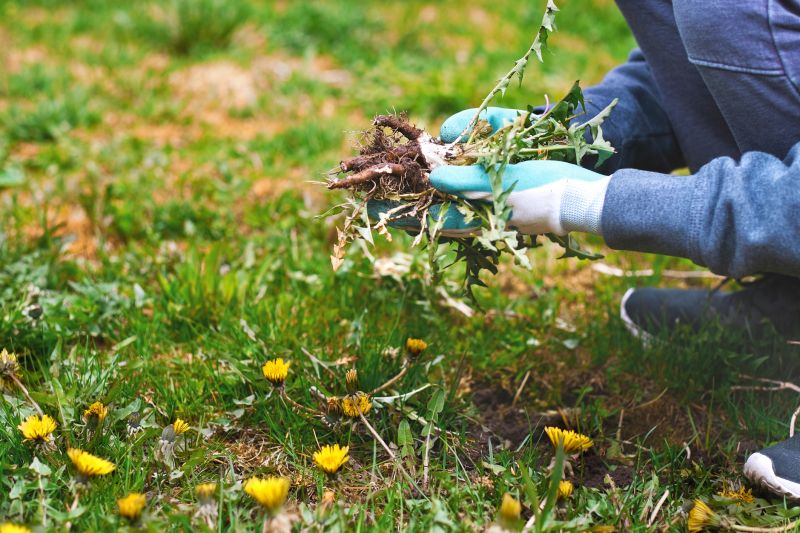
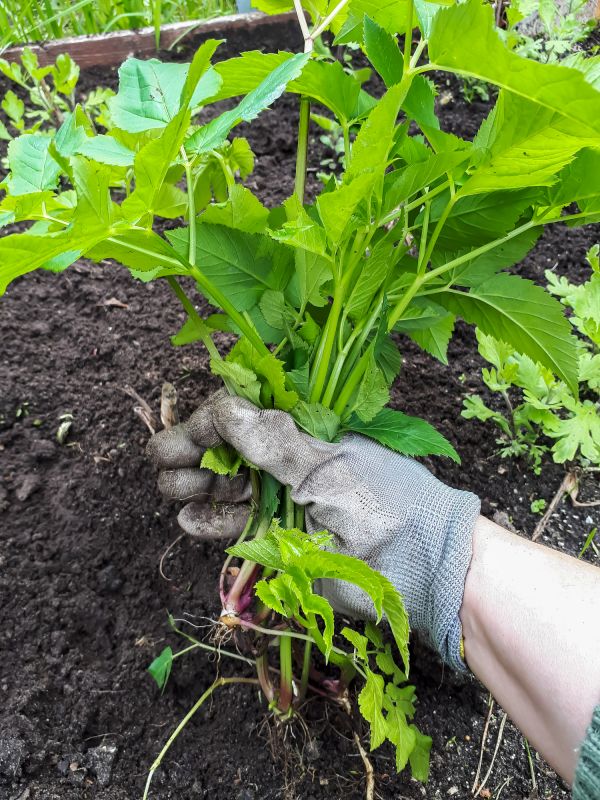
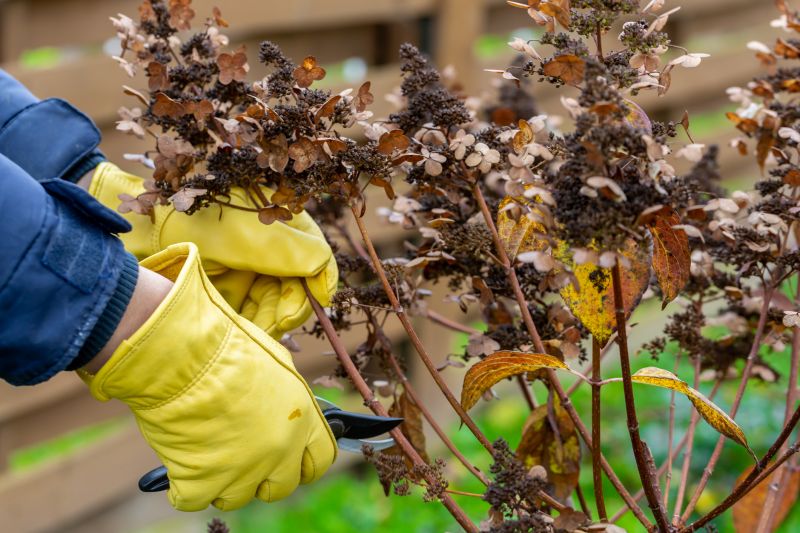
Diseased plant removal services involve the careful identification and elimination of plants that are suffering from illness, pests, or decay. These services typically include assessing the health of existing plants, removing those that pose a risk of spreading disease to healthy vegetation, and sometimes replacing them with new, healthier plants. The goal is to maintain the overall health and appearance of a landscape while preventing the spread of problems that could affect other parts of the property. Professionals use specialized techniques to ensure that removal is thorough and minimizes disturbance to surrounding plants and soil.
This service is often needed when plants exhibit signs of disease such as discolored, wilting, or spotted leaves, or when they become infested with pests that threaten other greenery. It can also address issues caused by root rot, fungal infections, or decay resulting from storm damage or poor soil conditions. Removing diseased plants helps prevent the spread of infections to healthy trees and shrubs, reduces the risk of pest infestations, and can improve the safety of a property by eliminating plants that may be unstable or hazardous. Homeowners and property managers facing these symptoms or concerns can benefit from professional diseased plant removal.
Properties that typically utilize diseased plant removal services include residential yards, commercial landscapes, parks, and community gardens. Homeowners with mature gardens often seek these services to protect their investment and enhance curb appeal. Commercial property managers may require regular assessments and removals to maintain a safe and attractive environment for clients and employees. Public parks and recreational areas also rely on these services to manage plant health and prevent the spread of pests or diseases that could impact larger areas. Any property with valuable or ornamental plants can benefit from the expertise of local contractors experienced in diagnosing and removing diseased vegetation.
Choosing professional diseased plant removal services ensures that problematic plants are handled safely and effectively. These experts can identify the specific issues affecting plants, determine whether removal is necessary, and carry out the work with care to prevent further damage. Property owners should look for experienced service providers in their area who understand local plant species and common issues faced in Norwalk, CT, and surrounding communities. Proper removal not only restores the health of the landscape but also helps to prevent future problems, supporting the overall vitality and safety of the property.
The overview below groups typical Diseased Plant Removal projects into broad ranges so you can see how smaller, mid-sized, and larger jobs often compare in Norwalk, CT.
In many markets, a large share of routine jobs stays in the lower and middle ranges, while only a smaller percentage of projects moves into the highest bands when the work is more complex or site conditions are harder than average.
Smaller Jobs - For routine diseased plant removal in gardens or small landscapes, local contractors typically charge between $250 and $600. Many projects fall within this range, especially for single plants or small sections. Larger or more complex removals can exceed this range.
Medium-Scale Projects - Larger areas or multiple plants requiring removal usually cost between $600 and $1,500. This range covers most mid-sized jobs in Norwalk and nearby communities, with fewer projects reaching higher costs.
Large or Complex Removals - Extensive diseased plant removal, such as large shrubs or multiple affected areas, can range from $1,500 to $3,000. These projects are less common but are handled regularly by local service providers for bigger landscapes.
Full Landscape Replacement - When diseased plants necessitate complete landscape overhaul, costs can exceed $5,000+, depending on the scope. Such large projects are less frequent and typically involve comprehensive removal and replanting efforts by experienced contractors.
Actual totals will depend on details like access to the work area, the scope of the project, and the materials selected, so use these as general starting points rather than exact figures.
Tree and Shrub Disease Treatment - local contractors can identify and treat diseases affecting trees and shrubs to promote healthy growth and prevent spread.
Invasive Plant Removal - professionals can remove invasive plant species that threaten native vegetation, requiring similar planning and tools as diseased plant removal.
Plant Pest Control Services - experts can manage pest infestations that damage plants, involving similar techniques and treatments as diseased plant care.
Landscape Restoration Projects - restoring damaged or diseased landscapes involves planning and removal of unhealthy plants, paralleling diseased plant removal efforts.
Root and Stump Removal - removing unhealthy roots or stumps requires specialized equipment and planning, similar to removing diseased plant material.
Garden Cleanup and Debris Removal - clearing away diseased or dead plant material is essential for garden health and involves comparable tools and site preparation.
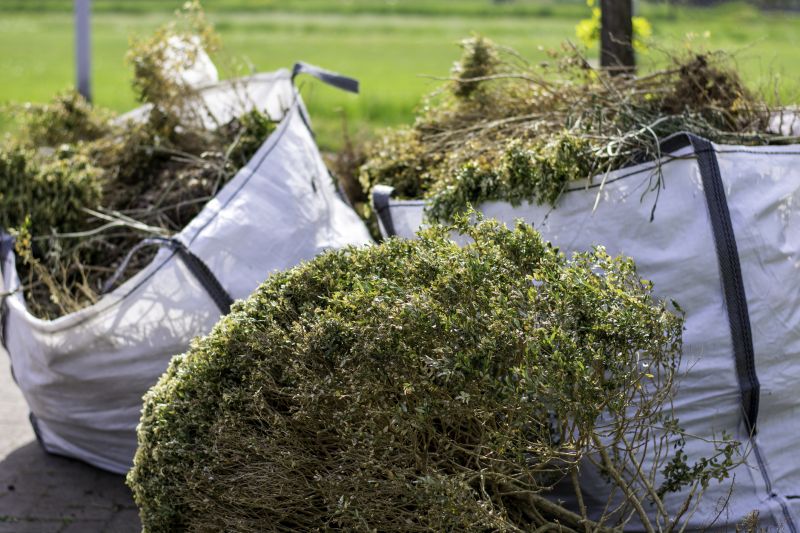
When choosing a service provider for diseased plant removal, it’s important to consider their experience with similar projects in the Norwalk area. An established local contractor that has handled a variety of plant health issues can bring valuable knowledge and practical skills to the job. Homeowners should look for providers who can demonstrate familiarity with the types of plants common to the region and have a track record of effectively managing diseased or damaged vegetation. This experience can help ensure the work is performed efficiently and in a manner that promotes the health of remaining plants and the overall landscape.
Clear written expectations are essential when comparing local contractors for diseased plant removal. Homeowners should seek providers who can provide detailed descriptions of their services, including what is included and what is not, so there are no surprises. Having a well-defined scope of work helps set realistic expectations and makes it easier to evaluate proposals. It’s also beneficial to ask for references or examples of past projects, which can offer insight into the quality of work and the reliability of the service provider.
Good communication plays a key role in a successful project. Homeowners should prioritize local contractors who are responsive, transparent, and willing to answer questions about their process and approach. Reputable service providers will be able to offer straightforward information about their methods and be open to discussing any concerns. Since the site introduces homeowners to local options rather than performing the work directly, it’s important to contact the chosen service provider directly to confirm their experience, clarify expectations, and ensure they understand the specific needs of the diseased plants. This approach helps foster a smooth working relationship and a positive outcome for the landscape.
Property owners in Norwalk, CT use Diseased Plant Removal services for practical projects around their homes and businesses. This guide focuses on everyday jobs and straightforward project options.
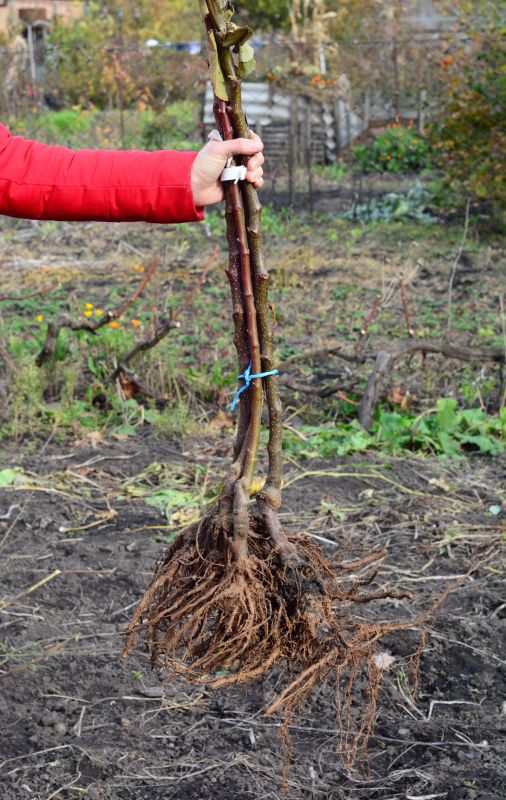
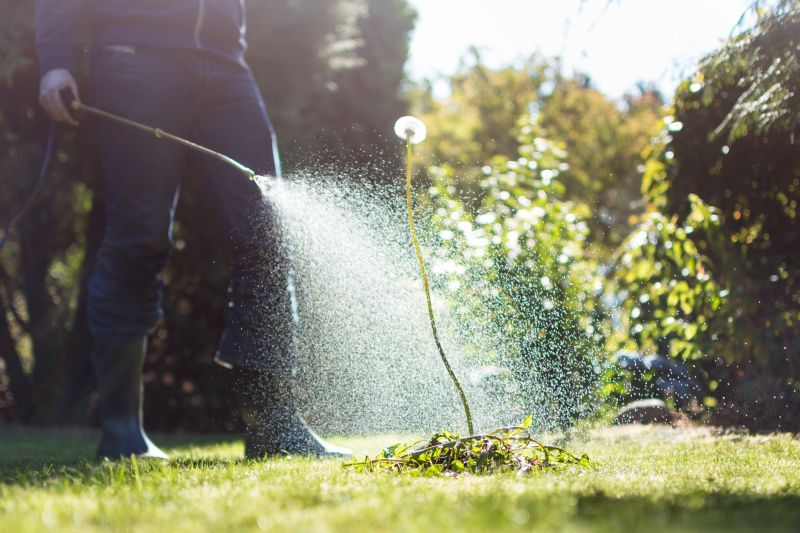
Property owners in Norwalk, CT may seek diseased plant removal services when they notice signs of decay or damage in their trees, shrubs, or ornamental plants. Overgrown or dying plants can detract from the appearance of a yard or landscape, making it look neglected or unkempt. Removing unhealthy or dead plant material can help improve curb appeal and prevent the spread of disease to healthy plants nearby. Local contractors experienced in diseased plant removal can assess the situation and safely remove affected vegetation, helping to maintain a healthy and attractive outdoor space.
In addition, homeowners and property managers might look for diseased plant removal services after storms or harsh weather conditions cause damage to trees and shrubs. Fallen or broken branches can pose safety risks or block pathways, while diseased or rotting plants may threaten the overall health of the landscape. Local service providers can handle the cleanup and removal, ensuring that the property remains safe and visually appealing. Connecting with experienced contractors in Norwalk can make it easier to address these issues promptly and effectively.
What are signs that a plant needs diseased plant removal? Indicators include visible decay, discolored or wilted foliage, unusual spots, or a foul odor coming from the plant.
Why should diseased plants be removed promptly? Removing infected plants helps prevent the spread of disease to healthy plants and maintains the overall health of the landscape.
What types of local service providers handle diseased plant removal? Many landscape maintenance contractors and specialized arborists in Norwalk and nearby areas offer diseased plant removal services.
How can I find qualified professionals for diseased plant removal? Contacting local contractors through a lead generation service can connect property owners with experienced providers in the area.
Are there specific plants that are more prone to disease requiring removal? Some plants, such as roses, fruit trees, and evergreens, are more susceptible to certain diseases and may require removal if infected.
Preventative Yard Care - Removing diseased plants can help stop the spread of illness to healthy greenery and maintain a vibrant landscape.
Property Cleanups - Clearing out dead or infected plants creates a cleaner, safer outdoor space for family activities and outdoor gatherings.
Garden Restoration - Replacing or removing unhealthy plants allows for new planting projects and helps improve overall garden health.
Tree and Shrub Maintenance - Local contractors can remove diseased shrubs and trees to protect surrounding plants and improve curb appeal.
If you are thinking about Diseased Plant Removal for a property in Norwalk, CT, this guide is meant to help you understand the work, the typical project types, and how different options might fit your plans.
When you are ready, you can use the quote form on this page to share a few details about your project. From there, local pros can review the basics and respond with options that match what you have in mind.