Get Diseased Plant Removal in Bozeman, MT
Local contractors in Bozeman, MT, can help remove diseased or damaged plants, trees, and shrubs to prevent spread, improve safety, and restore landscape health.
If you're noticing signs of disease on plants around your property in Bozeman, MT, it may be time to consider professional removal services. Diseased plants can pose risks to healthy vegetation, create unsightly areas, or even lead to further plant health issues if not addressed promptly. Property owners often explore these services to maintain the appearance of their landscape, prevent the spread of plant illnesses, and support overall garden or yard health. By planning ahead and comparing local options, you can find experienced service providers equipped to handle the removal safely and effectively.
Exploring local contractors who specialize in diseased plant removal can help you make informed decisions about managing your landscape. Whether you’re dealing with a small section or a larger area, connecting with skilled professionals ensures the work is done properly, with attention to the specific needs of plants in the Bozeman climate. Keep reading to discover how trusted service providers in the area can assist with your diseased plant removal project and help keep your property healthy and attractive.
- Diseased Plant Removal - needed when infected plants threaten the health of surrounding greenery in residential yards or commercial landscapes.
- Infected Tree or Shrub Removal - required if a tree or shrub shows signs of disease that could spread to nearby plants in neighborhoods around Bozeman, MT.
- Plant Disease Cleanup - necessary after an outbreak to eliminate fallen debris and prevent the spread of pathogens in gardens and public parks.
- Harmful Plant Pest and Disease Treatment - sought when pests or diseases compromise the vitality of plants in local community spaces or private properties.
- Preventative Diseased Plant Removal - recommended for ongoing landscape health in areas with recurring plant health issues or previous outbreaks.
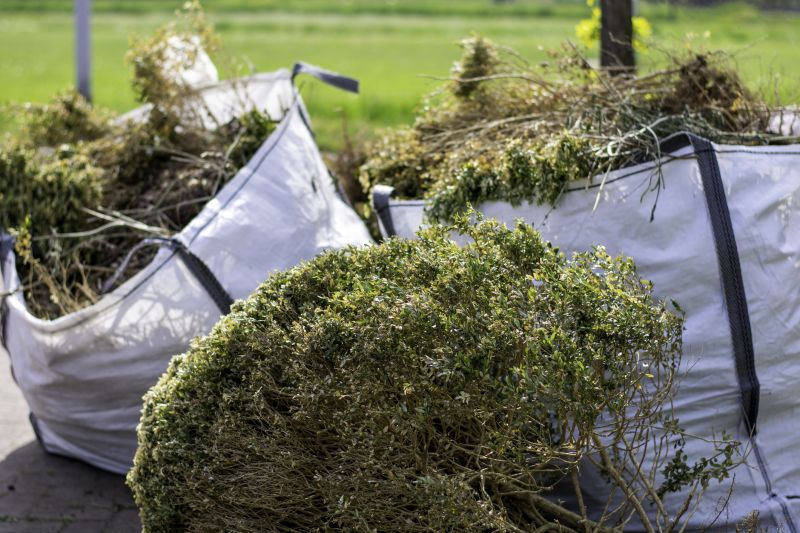
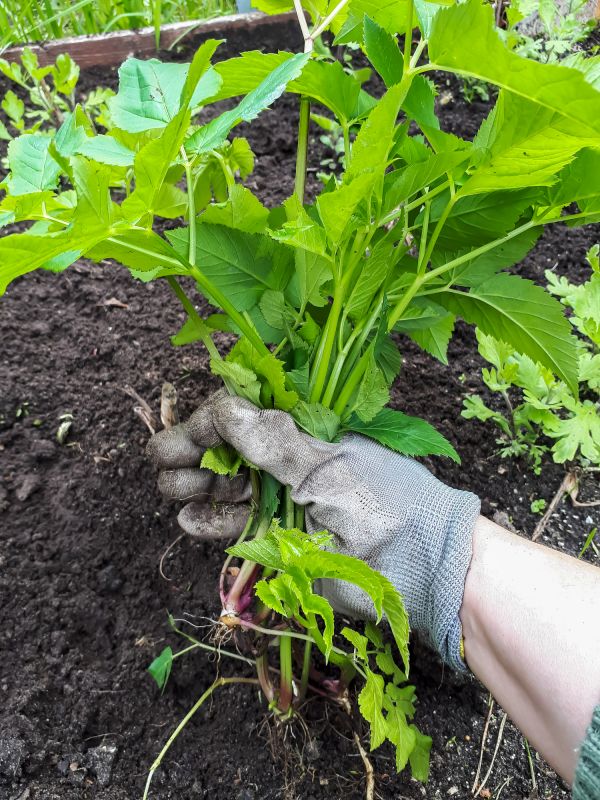
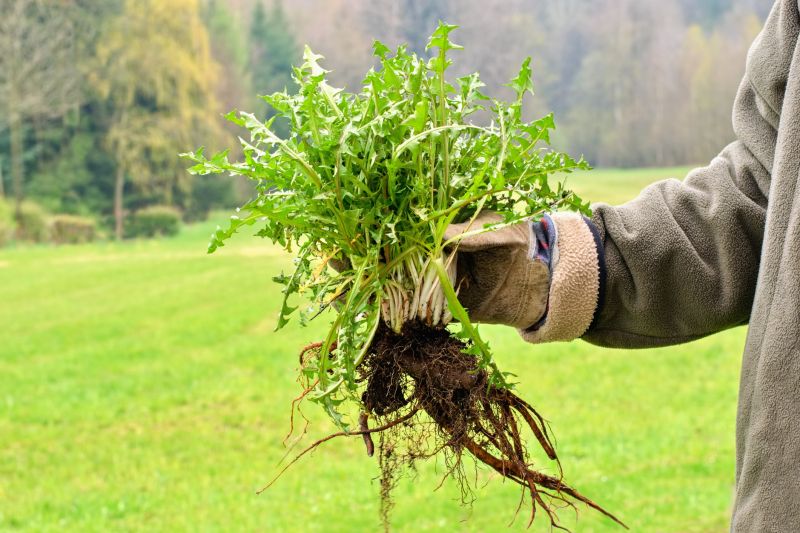
Diseased plant removal services involve the careful identification and removal of plants that are suffering from illness, pest infestations, or other health issues. These professionals assess the condition of trees, shrubs, and other greenery to determine whether a plant is beyond recovery or poses a risk to surrounding healthy plants. The process typically includes safely pruning affected areas, removing entire diseased plants when necessary, and disposing of plant material to prevent the spread of disease. By addressing these problems promptly, property owners can maintain a healthier landscape and reduce the risk of pests or diseases spreading to other plants.
This service helps solve a variety of landscape problems caused by plant disease or decay. Common issues include fungal infections, root rot, pest infestations, and damage from storms or environmental stress. Diseased plants can weaken structures, become safety hazards, or detract from the visual appeal of a property. Removing these plants can prevent the spread of pests or infections to healthy vegetation, improve the overall health of the landscape, and restore the aesthetic balance of outdoor spaces. Property owners often seek professional help when they notice symptoms like discolored leaves, wilting, or unusual growth patterns.
Properties that typically use diseased plant removal services include residential yards, commercial landscapes, parks, and community gardens. Homeowners may notice their trees or shrubs declining in health or exhibiting signs of disease, prompting a need for professional intervention. Commercial properties and public spaces also rely on these services to maintain a safe and attractive environment for employees, visitors, or residents. Whether a property is large or small, removing diseased plants helps preserve the integrity of the landscape, prevent potential safety hazards such as falling branches, and promote healthier growth in the future.
Homeowners and property managers should consider diseased plant removal services when they observe signs of plant distress that do not improve with basic care. Indicators include persistent wilting, unusual spots or discoloration on leaves, and the presence of pests or fungi. Prompt removal of infected plants can prevent the spread of disease to other parts of the landscape, saving time and money on future treatments. Engaging experienced service providers ensures that diseased plants are handled safely and effectively, helping to restore the health and beauty of outdoor spaces in communities across Bozeman, MT, and nearby areas.
The overview below groups typical Diseased Plant Removal projects into broad ranges so you can see how smaller, mid-sized, and larger jobs often compare in Bozeman, MT.
In many markets, a large share of routine jobs stays in the lower and middle ranges, while only a smaller percentage of projects moves into the highest bands when the work is more complex or site conditions are harder than average.
Smaller Jobs - For routine diseased plant removal, local contractors typically charge between $250 and $600. Most smaller projects fall within this range, covering individual or limited plant removals. Costs can vary based on plant size and accessibility.
Medium-Sized Projects - When dealing with multiple plants or larger affected areas, prices generally range from $600 to $1,500. Many projects of this size are common, with costs influenced by the extent of the diseased area and labor involved.
Large or Complex Jobs - Larger, more involved diseased plant removals can cost anywhere from $1,500 to $3,500. These tend to be less frequent but are necessary for extensive infestations or difficult-to-access locations.
Full Replacement or Major Removals - Complete removal and replacement of diseased plants or landscaping can exceed $5,000, especially for large properties or complex landscaping. Such projects are less common and depend heavily on the scope of work required.
Actual totals will depend on details like access to the work area, the scope of the project, and the materials selected, so use these as general starting points rather than exact figures.
Tree and Shrub Disease Treatments - local contractors can diagnose and treat diseases affecting trees and shrubs to promote healthy growth and prevent spread.
Invasive Plant Removal - professionals remove invasive plant species that threaten native vegetation, requiring similar planning and removal techniques as diseased plant removal.
Storm Damage Tree Cleanup - clearing and pruning damaged trees after storms involves assessing plant health and safely removing compromised limbs or entire trees.
Root Zone Pest Control - managing pests that attack plant roots involves careful inspection and targeted treatments, akin to diagnosing plant health issues.
Landscape Plant Maintenance - ongoing care for landscape plants includes pruning, disease management, and health assessments performed by local service providers.
Dead Tree Removal - removing hazardous or dead trees requires similar planning, safety measures, and equipment as diseased plant removal projects.
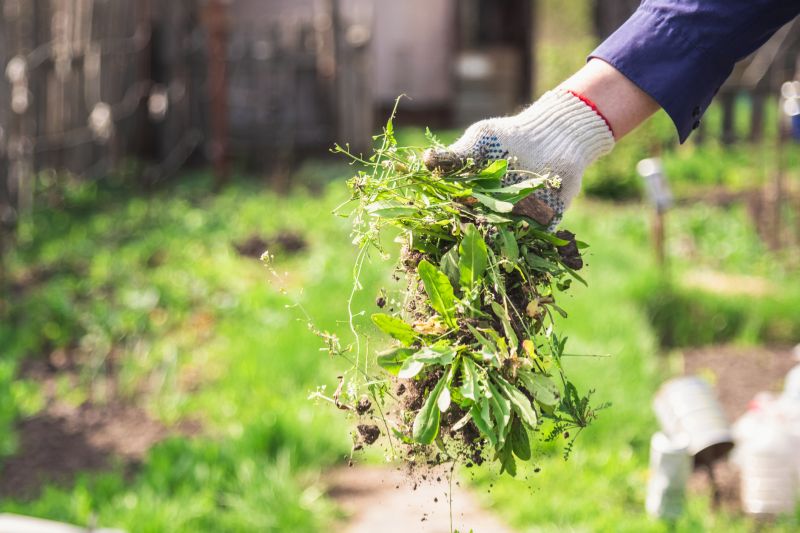
When comparing service providers for diseased plant removal in the Bozeman area, it’s important to consider their experience with similar projects. Homeowners should inquire about how long a contractor has been handling plant health issues and whether they have worked with the specific types of plants or landscape conditions present on the property. Service providers with a proven track record in diseased plant removal are more likely to understand the nuances involved and deliver results that help maintain the health and appearance of the landscape.
Clear written expectations are a key factor in selecting the right local contractor. Homeowners should seek detailed descriptions of what the service includes, such as the scope of work, methods used, and any follow-up recommendations. Having these details in writing helps ensure everyone is aligned on the project’s goals and reduces the chances of misunderstandings. It’s also beneficial to ask for reputable references or examples of previous work to verify the contractor’s capabilities and reliability.
Effective communication plays a vital role in the success of any landscape project. Homeowners should look for service providers who are responsive and willing to answer questions thoroughly, providing clarity on procedures and timelines. Good communication fosters a better understanding of the project and helps build trust. Since the site introduces homeowners to local options rather than performing the work directly, it’s essential to contact the chosen service provider to discuss specific needs, confirm their experience, and ensure they can meet expectations for diseased plant removal projects.
Property owners in Bozeman, MT use Diseased Plant Removal services for practical projects around their homes and businesses. This guide focuses on everyday jobs and straightforward project options.
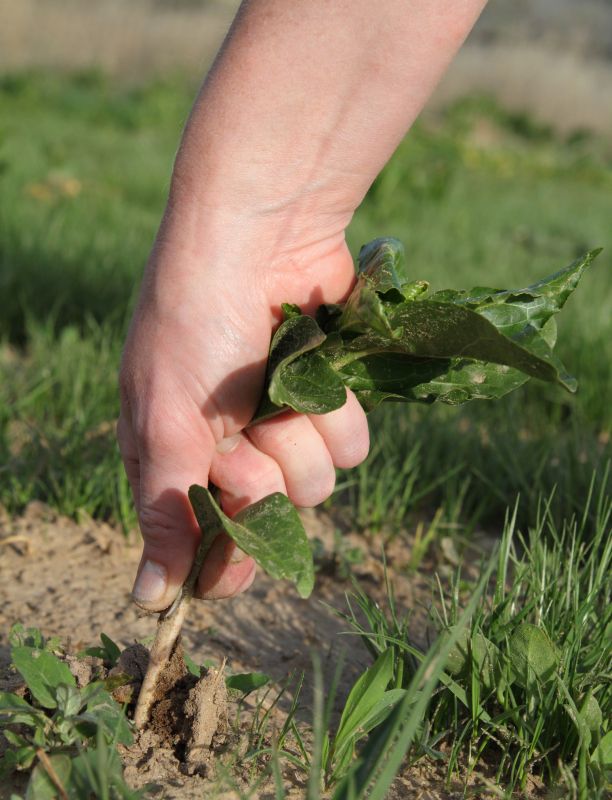
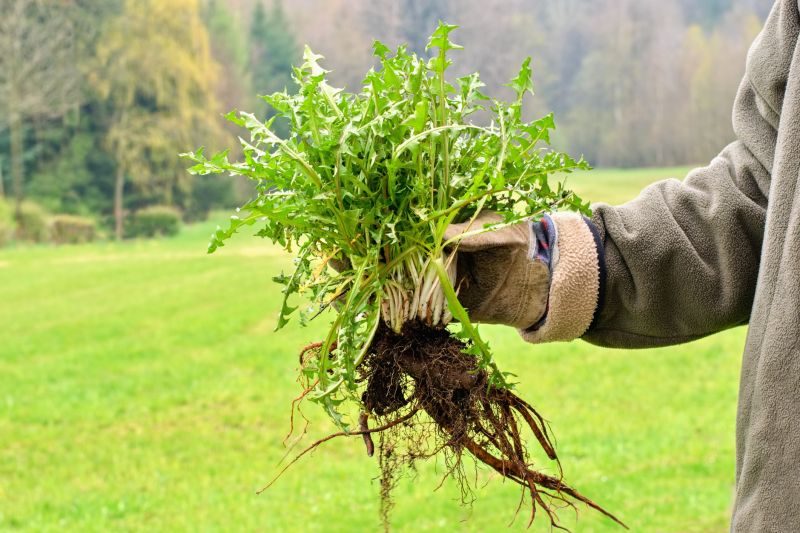
Property owners in Bozeman, MT may seek diseased plant removal services when they notice signs of decay, pests, or disease affecting trees, shrubs, or ornamental plants. Overgrown or unhealthy vegetation can detract from a property's curb appeal and may pose safety concerns, especially if branches are at risk of falling or if plants are spreading disease to healthy flora. Local contractors experienced in plant health can assess the situation and safely remove or treat affected plants to restore the landscape’s appearance and safety.
In other cases, property owners might need diseased plant removal after storm damage or as part of a landscape renovation project. Removing dead or diseased plants can help prevent the spread of pests and disease to other healthy vegetation. Whether dealing with a single problematic tree or an overgrown shrubbery, local service providers can handle the removal efficiently, helping to maintain the health and aesthetics of a property’s outdoor space.
What types of diseased plants can local contractors remove? They can handle a variety of plants showing signs of disease, including shrubs, trees, and ornamental plants affected by common conditions like blight, rust, or rot.
How do local service providers identify diseased plants? They assess the plant's appearance, such as discoloration, wilting, or unusual growth patterns, to determine if removal is necessary.
Are diseased plant removal services suitable for residential gardens? Yes, local contractors often offer services for residential properties to help maintain healthy landscapes by removing affected plants.
What should be done before scheduling diseased plant removal? It's helpful to identify and mark the affected plants and prepare the area to facilitate efficient removal by local service providers.
Can diseased plant removal prevent the spread of plant diseases? Removing infected plants can reduce the risk of disease spreading to healthy plants, making it a proactive landscape management step.
Tree and Shrub Disease Removal - Local contractors can help remove infected plants to prevent the spread of disease to healthy foliage.
Garden Cleanup and Disease Control - Property owners can clear out diseased plants to maintain a healthy and attractive landscape.
Hazardous Plant Disposal - Professionals can safely remove and dispose of plants that pose safety risks due to disease or decay.
Landscape Restoration Services - Local service providers can assist with removing diseased plants and restoring the landscape’s appearance.
If you are thinking about Diseased Plant Removal for a property in Bozeman, MT, this guide is meant to help you understand the work, the typical project types, and how different options might fit your plans.
When you are ready, you can use the quote form on this page to share a few details about your project. From there, local pros can review the basics and respond with options that match what you have in mind.